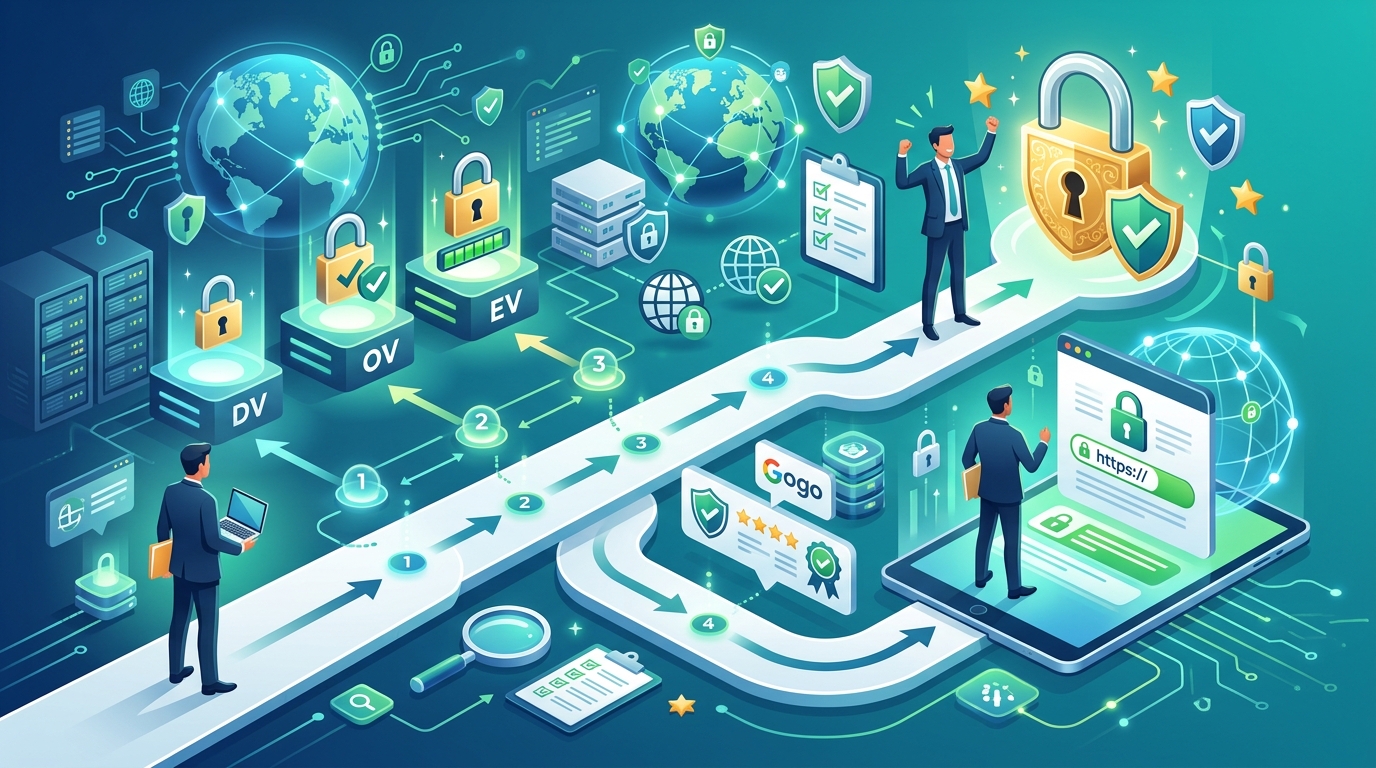
How to Choose SSL Certificate: Step-by-Step Guide
Knowing how to choose ssl certificate is a critical step

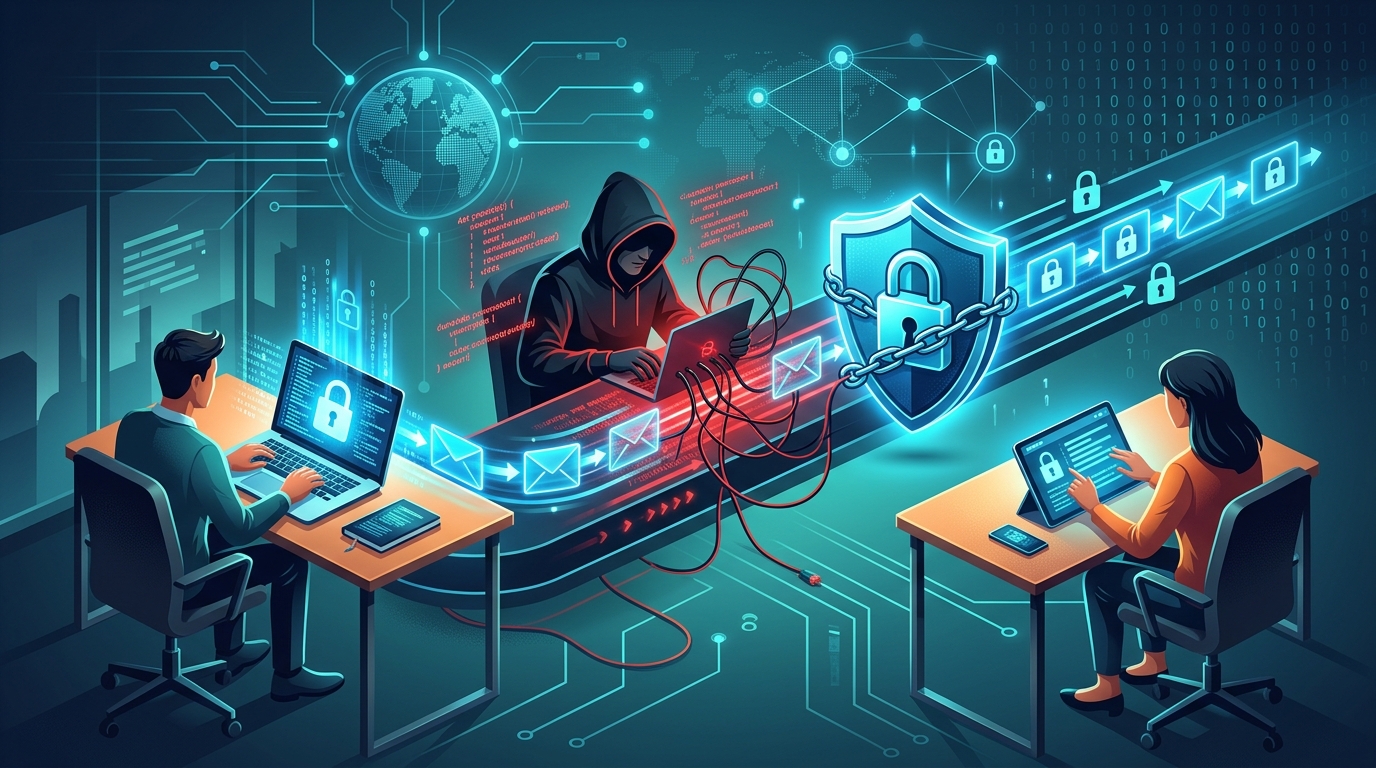
Man in the Middle attacks remain one of the most dangerous threats in the modern digital landscape. This type of cyberattack occurs when an unauthorized third party intercepts communication between two systems. Consequently, the attacker can listen to private conversations or even alter data without either party knowing. Understanding these threats is crucial for anyone who manages a website or handles sensitive information online.
A Man in the Middle (MitM) attack is a form of digital eavesdropping. Imagine you are sending a letter to a friend. However, a malicious mailman opens the envelope, reads your message, and perhaps changes its contents before resealing it. In the digital world, this happens through various technical methods. The goal is usually to steal login credentials, credit card numbers, or proprietary business data.
Attackers often exploit weak security protocols on public Wi-Fi networks. When you connect to an unsecured hotspot, you provide an easy gateway for hackers. They position themselves between your device and the internet gateway. Therefore, every bit of data you send passes through their control. This is why using a secure SSL Singapore solution is vital for protecting your users.
Hackers use several sophisticated methods to execute these attacks. One common method is IP spoofing. In this scenario, the attacker disguises their computer as a trusted entity. They trick the victim’s device into sending data to the wrong destination. Furthermore, they might use DNS spoofing to redirect users to a fake website that looks identical to the real one.
Another prevalent technique is ARP spoofing. This involves sending fake messages across a local network to link the attacker’s hardware address with a legitimate IP address. Once successful, the attacker receives all traffic intended for that IP. According to Wikipedia, this method is highly effective in local area networks that lack proper encryption protocols.
Encryption acts as a powerful shield against these interceptions. When you encrypt data, it becomes unreadable to anyone who does not have the correct decryption key. Even if an attacker manages to intercept the data, they will only see a jumbled mess of characters. This is why securing an SSL Certificate Singapore is a fundamental step for any business operating in the region.
An SSL (Secure Sockets Layer) certificate creates an encrypted link between a web server and a browser. It ensures that all data passed between them remains private and integral. For example, when a customer enters their credit card details on an e-commerce site, the SSL certificate protects that information from being captured by a Man in the Middle attacker. Without this protection, your website is a primary target for cybercriminals.
Singapore is a global hub for finance and technology. Therefore, local businesses are frequent targets for international hacking syndicates. Implementing a high-quality SSL Certificate Singapore ensures that your company complies with local data protection regulations. Moreover, it builds trust with your local audience who look for the padlock icon in the browser address bar.
By choosing a local provider like SSL Singapore, you receive specialized support tailored to the regional market. You ensure that your website loads quickly for local users while maintaining the highest security standards. Consequently, your brand reputation remains intact, and your customers feel safe sharing their personal details with you.
Prevention requires a multi-layered approach to security. First, always ensure that your website uses HTTPS instead of HTTP. This simple change indicates that an SSL certificate is active. Second, educate your employees about the dangers of public Wi-Fi. They should always use a Virtual Private Network (VPN) when working remotely to add an extra layer of encryption.
Third, implement two-factor authentication (2FA) for all critical accounts. Even if an attacker steals a password through a Man in the Middle attack, they cannot log in without the second verification factor. Additionally, keep all your software and router firmware updated. Manufacturers frequently release patches that fix vulnerabilities exploited by MitM attackers. Regular updates are a simple but effective defense mechanism.
Detecting a Man in the Middle attack can be difficult because it is designed to be invisible. However, you can look for certain red flags. For instance, if you experience sudden and unexplained website certificate warnings, someone might be trying to intercept your connection. Furthermore, keep an eye on network latency. Significant delays in data transmission can sometimes indicate that your traffic is being rerouted through an attacker’s server.
Using advanced network monitoring tools can also help. These tools scan for unauthorized devices on your network. They alert you if any suspicious activity occurs. By being proactive, you can stop an attack before it causes significant damage to your business or your customers’ privacy.
The digital world is constantly evolving, and so are the tactics used by hackers. A Man in the Middle attack is no longer a simple trick; it is a sophisticated operation. However, you can effectively mitigate these risks with the right tools and knowledge. Prioritizing encryption is the single most important step you can take today.
In conclusion, never underestimate the importance of a secure connection. Whether you are a small blog or a large enterprise, you are at risk. Invest in a reliable SSL Certificate Singapore to safeguard your data. This investment not only protects your assets but also guarantees a safer internet experience for everyone involved. Stay vigilant, stay encrypted, and stay ahead of the attackers.
Knowing how to choose ssl certificate is a critical step
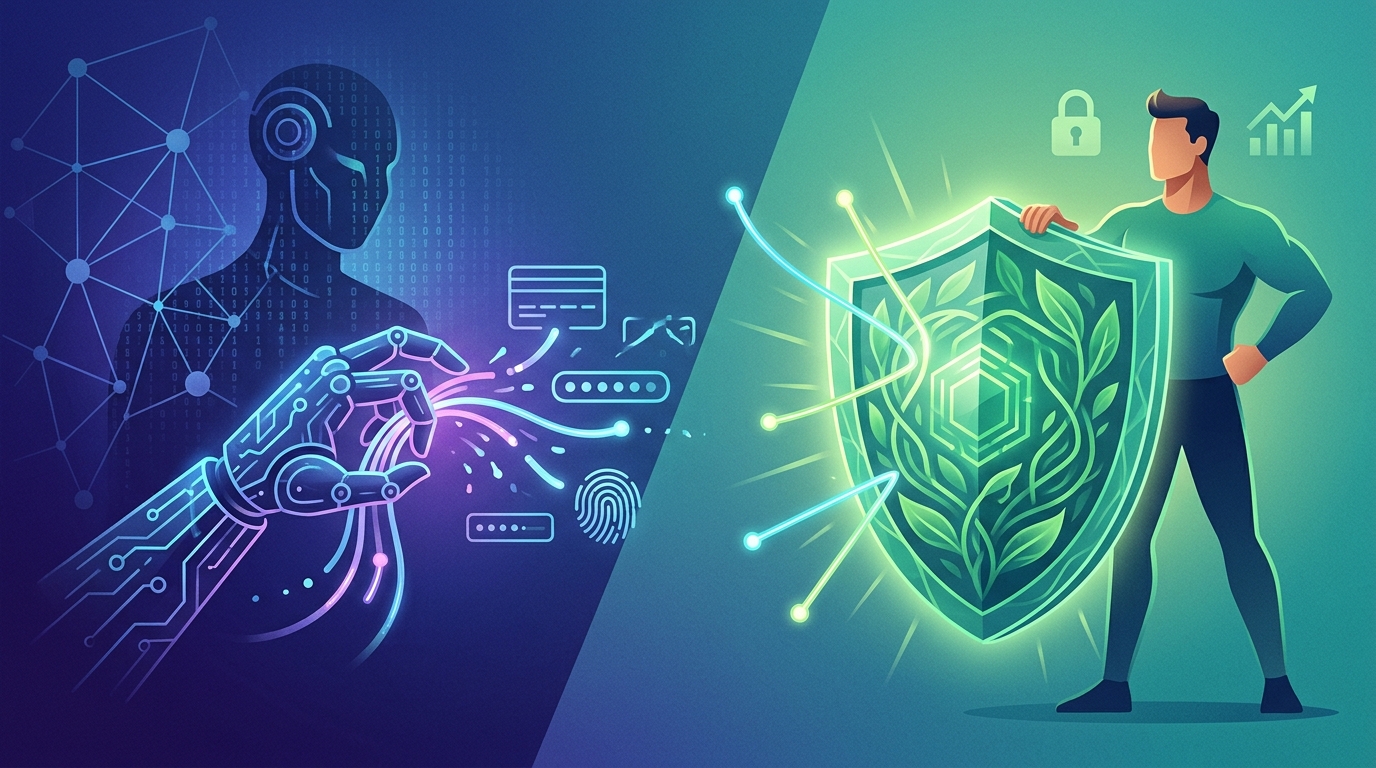
AI Driven Social Engineering: A New Era of Cyber Threats